

Florida Landlord Network
Hub System™
Tenant Selection
Find the right tenant — legally compliant tenant selection in the AI era.
Tenant Selection
The Wrong Tenant Costs More Than a Vacancy.
No decision affects a landlord more than who gets the keys. A weak screening process invites non-payment, property damage and eviction — while the wrong questions can trigger a fair housing violation.
The Tenant Selection Hub provides Florida landlords with FCRA-compliant screening protocols, fraud-prevention tools and decision frameworks for choosing reliable, lawful tenants.
Outline
What You'll Learn
What you can and cannot ask during the application process
Florida and federal fair housing protected classes
How to legally use credit reports and background checks
Adverse action notice requirements when denying an applicant
Setting consistent, defensible screening criteria
Avoiding discrimination claims in your screening process
Hub Partner
Sponsorship Opportunity
This hub's sponsorship slot is currently available. Contact Florida Landlord Network to feature your organization here.
More on Tenant Selection
 Article
Heron Bay Landlords Push Back Against Sweeping Rental Restrictions
A proposed Heron Bay HOA overhaul limiting owners to one lease per year has been delayed after 250+ owners objected — what Florida landlords should learn from the dispute.
Read more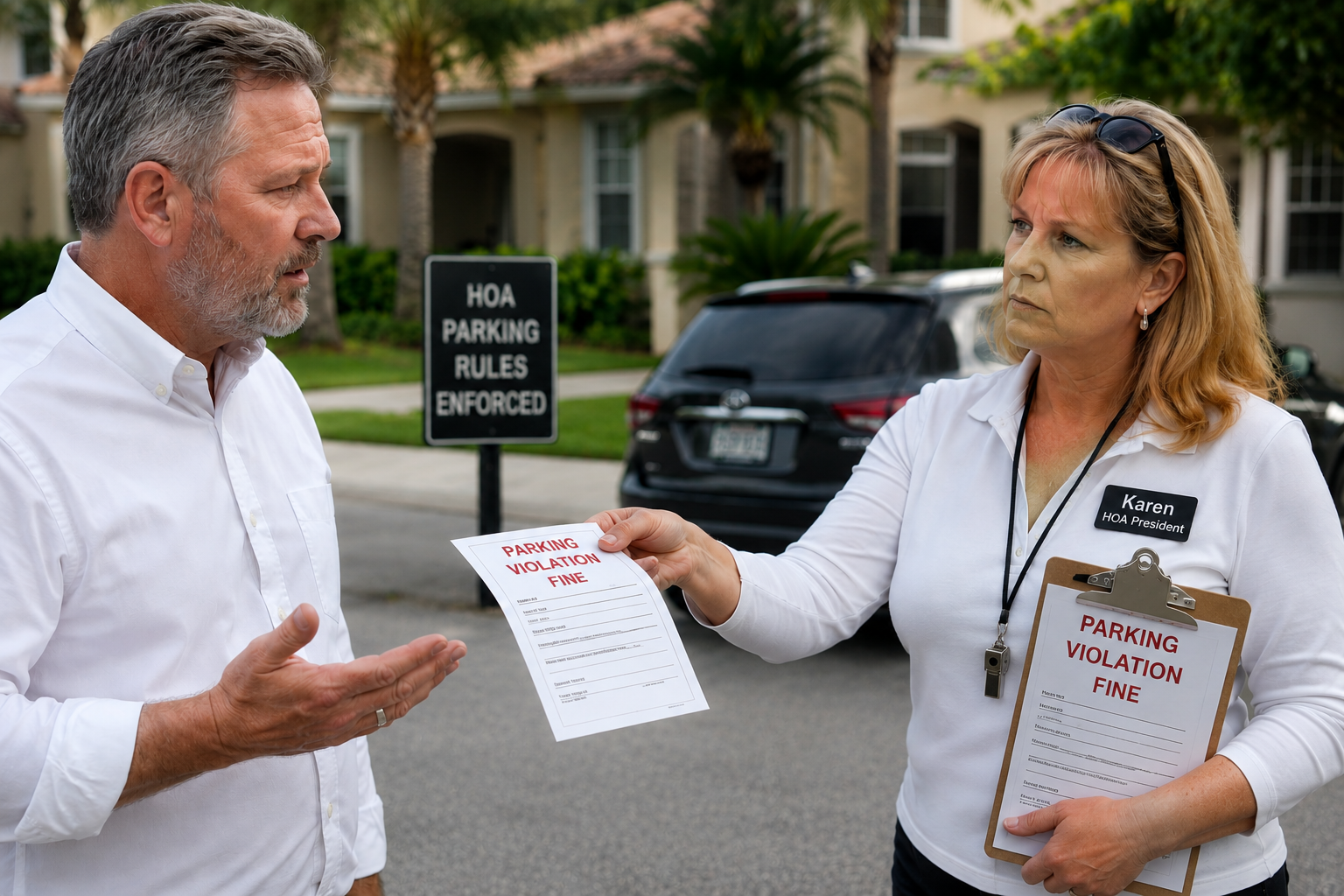 Article
Florida HOA Laws Are Changing — What Landlords Need to Know
Florida's HOA laws have shifted toward transparency and accountability. Here's what changed, what failed in 2026, and the rental restrictions landlords must check before buying into an HOA.
Read more Article
What Renters Want in 2026
According to AppFolio's 2026 Renter Preferences Report shows that renters are more willing to move, but good maintenance, clear communication and a smooth move-in experience can significantly improve retention. The lesson for independent landlords is simple: renters value responsiveness and transparency more than expensive bells and whistles.
Read more Article
Tenant Selection - <em>The Big Picture</em>
A lawful, consistent tenant selection system covering written criteria, applications, identity, income, rental history, consumer reports, fair housing, fraud, and adverse action.
Read more Article
Internet ESA Certifications: What They Do—and Do Not—Prove
An ESA certificate with a registration number, seal, or vest may look official — but under Florida law, Internet registrations don't establish a disability or a disability-related need. Here's how landlords should evaluate online ESA documentation.
Read more Article
Tenant Selection - Criminal History
A practical guide to evaluating criminal history without abandoning safety, consistency, or fair-housing compliance.
Read more Article
Fill That Vacancy
Why accepting slightly less rent today can earn you thousands more per year than holding out for full price while your property sits vacant.
Read more Article
AI Is Changing Rental Fraud
AI is creating a new generation of sophisticated rental fraud schemes—from fake pay stubs and synthetic identities even deepfake applicants and voice cloning!
Read more Article
Fair Housing Alert!
Hoarding May Be a Protected Disability
Read more Article
A Warning to Landlords
Are You Complying With the Fair Credit Reporting Act?
Read more Article
Fair Housing Law
Beware The Secret Testers
Read more Article
Every Adult Occupant on the Lease?
Mistake: Aallowing adults to live in a rental property without being formally named on the lease.
Read more Article
What Florida Renters Actually Want
Florida landlords often assume renters only care about price. That’s no longer true.
Read moreTenant Selection — The Process
A Consistent, Documented Tenant Selection Process
Following the same steps for every applicant helps you select tenants fairly and defensibly. Use this workflow as a checklist for your tenant selection process — from defining criteria through documentation.
| Step | Action | Key Consideration |
|---|---|---|
1. Define Criteria | Set consistent, defensible criteria before accepting applications. | Document income, credit, and rental history requirements. |
2. Market & Inquire | Advertise consistently and handle all inquiries uniformly. | Apply fair housing principles to every interaction. |
3. Application | Collect consistent information from every applicant. | Apply the same form and questions to all applicants. |
4. Screening & Verification | Verify identity, income, employment, and rental history. | Obtain credit and background reports with written consent. |
5. Lawful Evaluation | Evaluate every applicant against the same written criteria. | Apply fair housing and FCRA requirements consistently. |
6. Decision & Documentation | Approve, or deny with an adverse action notice. | Document the basis for every decision. |
Set consistent, defensible criteria before accepting applications.
Document income, credit, and rental history requirements.
Advertise consistently and handle all inquiries uniformly.
Apply fair housing principles to every interaction.
Collect consistent information from every applicant.
Apply the same form and questions to all applicants.
Verify identity, income, employment, and rental history.
Obtain credit and background reports with written consent.
Evaluate every applicant against the same written criteria.
Apply fair housing and FCRA requirements consistently.
Approve, or deny with an adverse action notice.
Document the basis for every decision.
Apply consistent criteria to every applicant. When in doubt about fair housing or FCRA compliance, consult an attorney.
Understand the Basics — Knowledge Base
Knowledge Base
Clear explanations of key tenant selection concepts and terminology. Each term links to its full explainer page.
Service Animals
Dogs individually trained to do work or perform tasks for a person with a disability — protected under the Fair Housing Act and ADA, distinct from emotional support animals.
Read explainerEviction History
Eviction history tracks past legal proceedings initiated by landlords against an individual for lease violations or non-payment of rent.
Read explainerIncome Verification
The process of confirming a prospective tenant's earnings to ensure they can afford the monthly rent.
Read explainerCriminal Background Check
A screening process used to review an applicant's history of arrests and convictions to evaluate potential risk to other residents.
Read explainerAdverse Action Notice
An adverse action notice is a required legal notification sent to a tenant applicant who was rejected due to information in their report.
Read explainerFair Housing Act
The Fair Housing Act is a federal law that prohibits discrimination in housing based on race, color, religion, sex, national origin, familial status, or disability.
Read explainerApplicant
An individual who has submitted a formal request and documentation to lease a rental property.
Read explainerConsumer Report
A broader category of reports, including credit reports and background checks, used to evaluate a prospective tenant's reliability.
Read explainerReference Check
The process of verifying an applicant's rental history by contacting previous landlords to assess their reliability.
Read explainerFair Credit Reporting Act (FCRA)
A federal law that regulates how consumer credit information is collected and used during the tenant screening process.
Read explainerCredit Report
A record of an applicant's credit history, including loans, payment behavior, and debts, used by landlords to assess financial reliability.
Read explainerEmployment Verification
The process of confirming a prospective tenant's current employment status and income through their employer.
Read explainerScreening Criteria
Screening criteria are the objective, non-discriminatory standards used to evaluate whether a tenant is suitable for a rental property.
Read explainerTenant Score
A numeric rating generated from a prospect's credit and rental history to predict their reliability as a tenant.
Read explainerSource of Income
The origin of a tenant's funds used to pay rent, such as employment wages, government benefits, or retirement distributions.
Read explainer