Winning an eviction case does not automatically put the landlord back in possession of the rental property. Even after the court enters a Final Judgment for Possession, one important step may remain: the Writ of Possession.
For Florida landlords, this is the point where a court judgment becomes actual possession of the property.
What Is a Writ of Possession?
A Writ of Possession is a court-issued document directing the county sheriff to restore possession of the rental property to the landlord.
Under Florida Statute §83.62, after the landlord obtains a judgment for possession, the clerk issues the writ to the sheriff. The sheriff then serves the writ by posting it conspicuously on the premises.
The writ notifies the tenant that he or she must vacate the property within 24 hours.
This is no longer simply a landlord demanding possession. The court has determined that the landlord is entitled to the property, and the sheriff is now authorized to enforce that judgment.
What Happens After the Writ Is Posted?
Once the sheriff posts the Writ of Possession, the statutory 24-hour period begins.
If the tenant moves out, possession can be returned without a physical removal. If the tenant remains after the deadline, the sheriff can return and remove the tenant from the premises.
Procedures vary somewhat among Florida's 67 counties. The sheriff's office may contact the landlord or the landlord's representative to arrange a time to meet at the property.
The landlord should be prepared to provide access and have the locks changed once possession is restored.
Don't Change the Locks Too Soon
Even after receiving a Final Judgment for Possession, the landlord should not jump ahead of the sheriff.
Florida prohibits landlords from using prohibited practices—sometimes called "self-help"—to force a tenant from a rental property. That includes such actions as shutting off utilities, removing doors or locks, or otherwise attempting to force the tenant out without completing the legal process.
If a Writ of Possession is necessary, let the sheriff execute it.
Once possession has been legally restored, the landlord can secure the property and change the locks.
What Happens to the Tenant's Property?
This is an important distinction in Florida law.
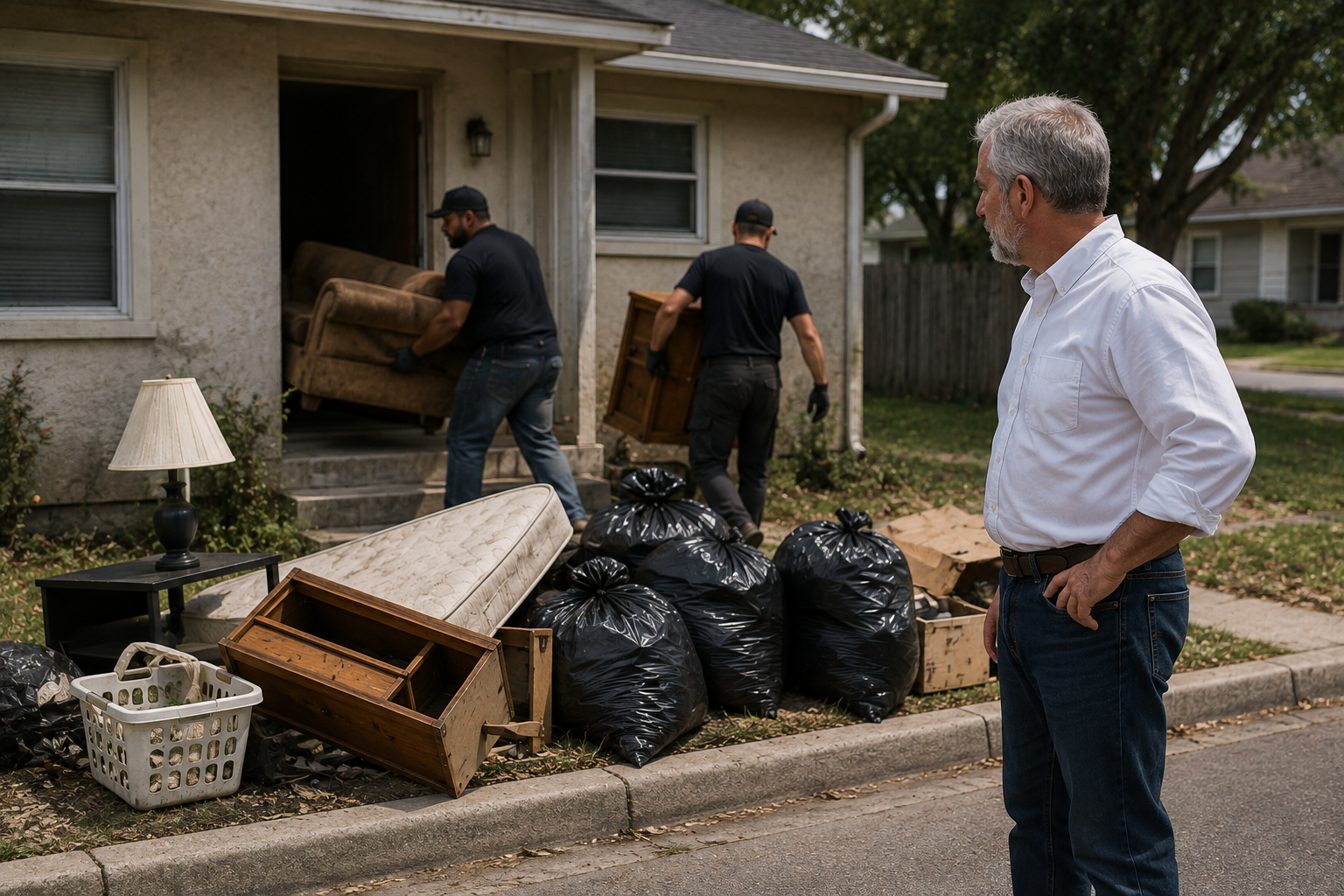
When possession is recovered through an executed Writ of Possession, Florida Statute §83.62(2) specifically authorizes the landlord or the landlord's agent to remove personal property found inside the premises "to or near the property line."
In everyday landlord terminology, this is commonly described as putting the tenant's remaining belongings at the curb as trash.
The landlord may also request that the sheriff stand by while the locks are changed and the personal property is removed from the premises.
The statute further provides that neither the sheriff nor the landlord or landlord's agent is liable to the tenant or any other party for the loss, destruction, or damage to the property after it has been removed.
This should not be confused with situations where a tenant simply disappears, abandons a rental, dies, or voluntarily surrenders possession. Different legal considerations can apply in those circumstances.
After execution of a Writ of Possession, §83.62 provides specific authority for removing the personal property remaining in the premises.
The Sheriff Enforces the Writ
There is a simple way to remember the process:
The judge awards possession. The clerk issues the writ. The sheriff executes it. The landlord takes the property back.
The landlord should not try to perform the sheriff's role.
Once the sheriff has completed the process and restored possession, the landlord should immediately secure the premises, change the locks, document the property's condition, and begin whatever cleaning and repairs are necessary.

Paul's Take
By the time we reach the Writ of Possession, most landlords are more than ready to get their property back. They've served the notice, waited the required time, filed the eviction, paid the costs, obtained the judgment, and waited again for the sheriff.
Don't create a problem at the finish line. Let the sheriff complete the Writ of Possession.
Then change the locks, photograph the condition of the property, remove remaining personal property as permitted by §83.62, and get to work turning the unit around.
Remember, the real objective isn't winning an eviction lawsuit. It's getting your property back legally, safely, and as quickly as Florida law allows so you can put it back to work.