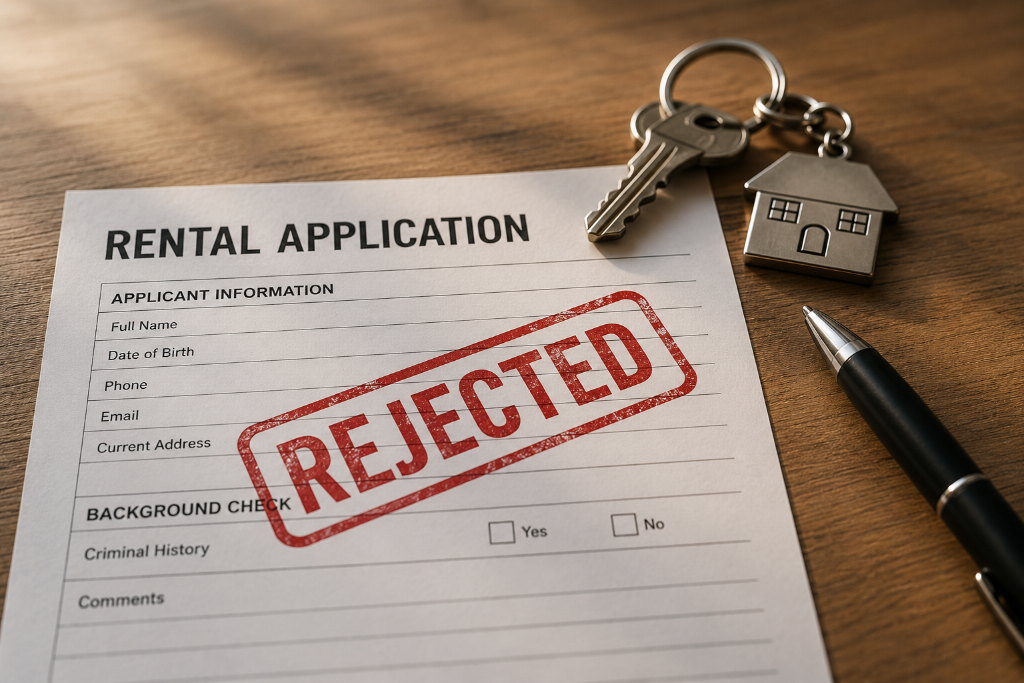
For many landlords, a criminal background check is an important part of evaluating a rental applicant. The challenge is knowing when criminal history may be considered—and when using it could expose you to a fair housing complaint or discrimination claim.
Over the past several years, federal guidance, state legislation, and local "Fair Chance Housing" ordinances have changed the rules surrounding criminal background screening. In some areas, landlords may not ask about criminal history until after making a conditional offer. Other jurisdictions prohibit consideration of certain arrests, expunged records, or convictions that are unrelated to resident safety.
As a result, a tenant screening policy that is perfectly legal in one state—or even one city—may violate the law somewhere else.
For Florida landlords, there is currently no statewide law prohibiting criminal background checks for private rental housing. However, landlords must still comply with the federal Fair Housing Act and should avoid blanket policies that automatically reject every applicant with any criminal history. The U.S. Department of Housing and Urban Development (HUD) has advised that overly broad screening policies may have a disparate impact on protected classes if they are not based on legitimate business or safety concerns.
The safest approach is to evaluate criminal history individually, considering the nature of the offense, how long ago it occurred, whether it relates to the safety of residents or protection of property, and any evidence of rehabilitation.
Criminal History Is Only One Piece of the Puzzle
A criminal background report should never be viewed in isolation. Instead, it should be one part of a comprehensive screening process that also includes:
- Credit history
- Previous rental history
- Employment and income verification
- Eviction history
- Personal references
A conviction from many years ago may be far less significant than a recent eviction for nonpayment of rent or a history of lease violations. Looking at the applicant as a whole generally leads to better rental decisions.
Common Tenant Screening Mistakes to Avoid
Even experienced landlords can create legal problems by applying their screening policies inconsistently. Consistency is one of the strongest defenses against discrimination claims.
Some of the most common mistakes include:
Using Blanket Exclusion Policies
Automatically rejecting every applicant with a felony conviction—or advertising "No Felons"—may violate federal guidance and, in some jurisdictions, local fair housing laws. Blanket policies fail to consider the seriousness of the offense, how long ago it occurred, or whether it has any relationship to resident safety.
Applying Standards Inconsistently
Every applicant should be evaluated using the same written screening criteria. Making exceptions for one applicant while denying another with similar circumstances can create unnecessary legal risk.
Relying on Outdated Policies
Tenant screening laws continue to evolve. Policies that were acceptable just a few years ago may no longer comply with current federal guidance or local ordinances.
Ignoring Local Regulations
Although Florida does not currently have a statewide "Fair Chance Housing" law governing private landlords, many states, counties, and cities have adopted restrictions on how criminal history may be used. If you own rental property outside Florida, be sure you understand the rules that apply in each jurisdiction.
Using Incomplete or Inaccurate Reports
Not every criminal record tells the complete story. Arrests do not always result in convictions, records may have been sealed or expunged, and mistakes occasionally occur in commercial background databases. Before making an adverse rental decision, landlords should ensure the information they rely upon is accurate and legally reportable.
Best Practices for Florida Landlords
A well-written screening policy protects both landlords and applicants while reducing the likelihood of discrimination claims.
Consider these best practices:
- Develop written screening criteria before advertising your property.
- Apply the same standards to every applicant.
- Evaluate criminal convictions individually rather than using automatic denials.
- Consider the seriousness of the offense, how much time has passed, and whether it presents a legitimate risk to residents or property.
- Keep thorough documentation supporting every approval and denial.
- Review your screening policy annually to ensure it reflects current law and HUD guidance.
Documentation is particularly important. Maintaining records that explain why an applicant was approved or denied can be invaluable if your decision is ever questioned.
Staying Compliant
Criminal background screening has become one of the fastest-changing areas of tenant screening. Across the country, lawmakers continue to debate how criminal history should factor into housing decisions, and additional restrictions are likely in the future.
Before ordering a criminal background report—or relying on one to deny an applicant—landlords should verify the requirements that apply to the property's state, county, and municipality. A screening practice that's perfectly legal in Florida may violate the law elsewhere.
Fortunately, many professional tenant screening services now include compliance features that document the screening process and create a digital record of when criminal history was reviewed. While these tools don't replace good judgment or legal compliance, they can help demonstrate that landlords followed consistent screening procedures.
The goal isn't simply finding the right tenant. It's finding the right tenant while protecting your property, treating applicants fairly, and staying compliant with an increasingly complex regulatory environment.

I've been helping Florida landlords screen tenants for more than two decades, and one thing has become crystal clear: tenant screening isn't getting any simpler. Years ago, the question was often, "Does this applicant have a criminal record?" Today, the better question is, "Can I legally consider this information, and if so, how should I weigh it?"
A criminal conviction should never automatically disqualify an applicant, but neither should landlords ignore information that could affect the safety of their residents or the protection of their property. Good landlords make good decisions because they follow written standards, evaluate every applicant consistently, and document their reasoning.
The legal landscape will continue to change. The landlords who stay informed, update their screening policies, and treat every applicant fairly will be in the strongest position—not only to avoid lawsuits but to place better residents in their rental homes.