
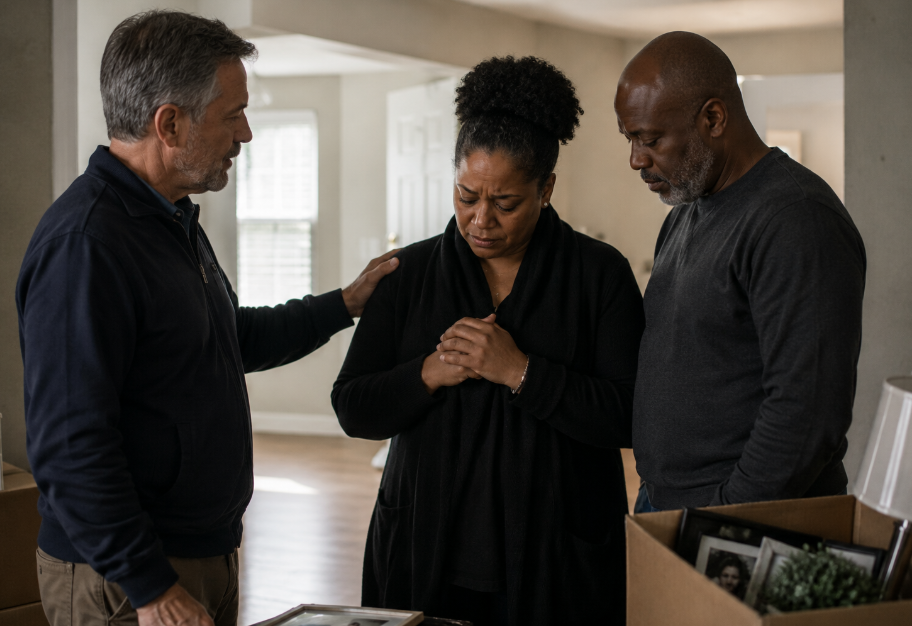
When a tenant passes away in a Florida rental property, landlords often face difficult emotional and legal decisions. Grieving family members may urgently request access to the unit to retrieve personal belongings, sentimental items, or important documents. However, Florida law strictly limits a landlord's ability to grant such access, prioritizing the protection of the deceased tenant's estate and minimizing liability risks. Understanding these rules is essential for compliant property management.
Under the Florida Residential Landlord and Tenant Act (Chapter 83, Florida Statutes), a landlord generally cannot allow relatives or friends of the deceased tenant to enter the rental unit unless they meet specific legal criteria. Access is permitted only if the individual is:
- Named on the lease as a co-tenant, or
- Appointed by a probate court as the personal representative (executor) of the deceased tenant's estate, supported by proper court documentation such as Letters of Administration.
Landlords should not rely on a will, power of attorney (which expires upon death), or verbal assurances of family relationship. Granting unauthorized access could expose the landlord to legal claims from other heirs or the estate if items go missing or are disputed.
Key Provisions from Florida Statute 83.59
Florida Statute § 83.59 addresses the landlord's right to regain possession of the dwelling unit. For a sole tenant who has died, the unit may be considered abandoned—and the landlord may recover possession—only when all of the following conditions are met:
- The last remaining tenant has died.
- Personal property remains on the premises.
- Rent is unpaid.
- At least 60 days have elapsed since the date of death.
- The landlord has not received written notice of an open probate estate or the name and address of a court-appointed personal representative.
This provision does not apply to federally assisted housing programs. Once possession is lawfully recovered, and if the lease contains the required statutory language regarding abandoned property, the landlord is generally not liable for the storage or disposition of the tenant's belongings (Florida Statute § 83.67).