
As the November 2026 general election approaches, Florida landlords are closely watching a critical ballot measure: Amendment 3, also known as the "Save Our Homes from Excessive Property Taxes" initiative. If approved by 60% of voters, the amendment would implement significant changes to how property taxes are assessed across the state starting January 1, 2027.
Tax·Statewide
Florida's Looming Property Tax Amendment: What Landlords Need to Know for November
A proposed constitutional amendment on the November 2026 ballot, Amendment 3, seeks to adjust homestead exemptions and lower assessment caps for non-homestead properties. While it offers potential relief for landlords by capping annual assessment increases at 5%, it does not provide the expanded homestead exemptions reserved for primary residences.
By FLN News Desk
August 24, 2026Updated Sep 1, 20261 min read
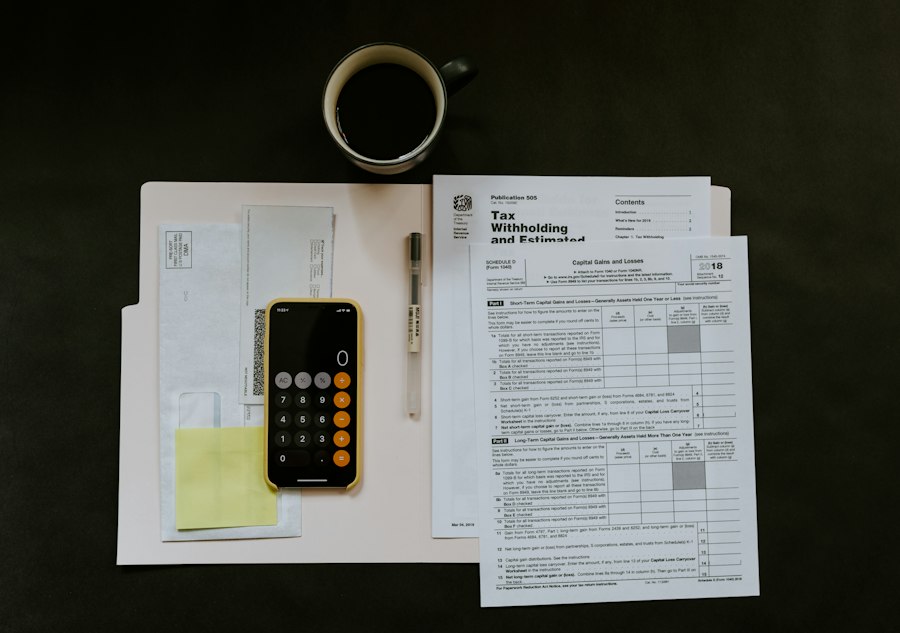

For rental property owners, the most impactful component is the proposal to lower the annual assessment cap on non-homestead property—which includes long-term rentals, vacation homes, and commercial real estate—from the current 10% ceiling to 5%. This change is designed to limit how quickly the taxable value of an investment property can rise year-over-year, providing a more predictable cost structure for property owners.
However, industry experts urge landlords to remain cautious. The measure does not eliminate property taxes, and the expanded homestead exemption of $150,000 (rising to $250,000 by 2028) applies strictly to owner-occupied primary residences. Landlords are advised to base their current rental pricing and long-term financial planning on existing tax law, as the constitutional amendment remains subject to voter approval and will not take effect until 2027 if it passes.
Sources
Florida TaxWatchDisclaimer: Florida Landlord Network is a non-attorney service. This article is for informational purposes only and does not constitute legal advice. Consult a licensed Florida attorney for guidance specific to your situation.